01
Check what could be affecting your health at home
Review the indoor environmental factors across the rooms you use, including air quality, moisture and mould, lighting, materials and finishes, acoustics and sensory factors.

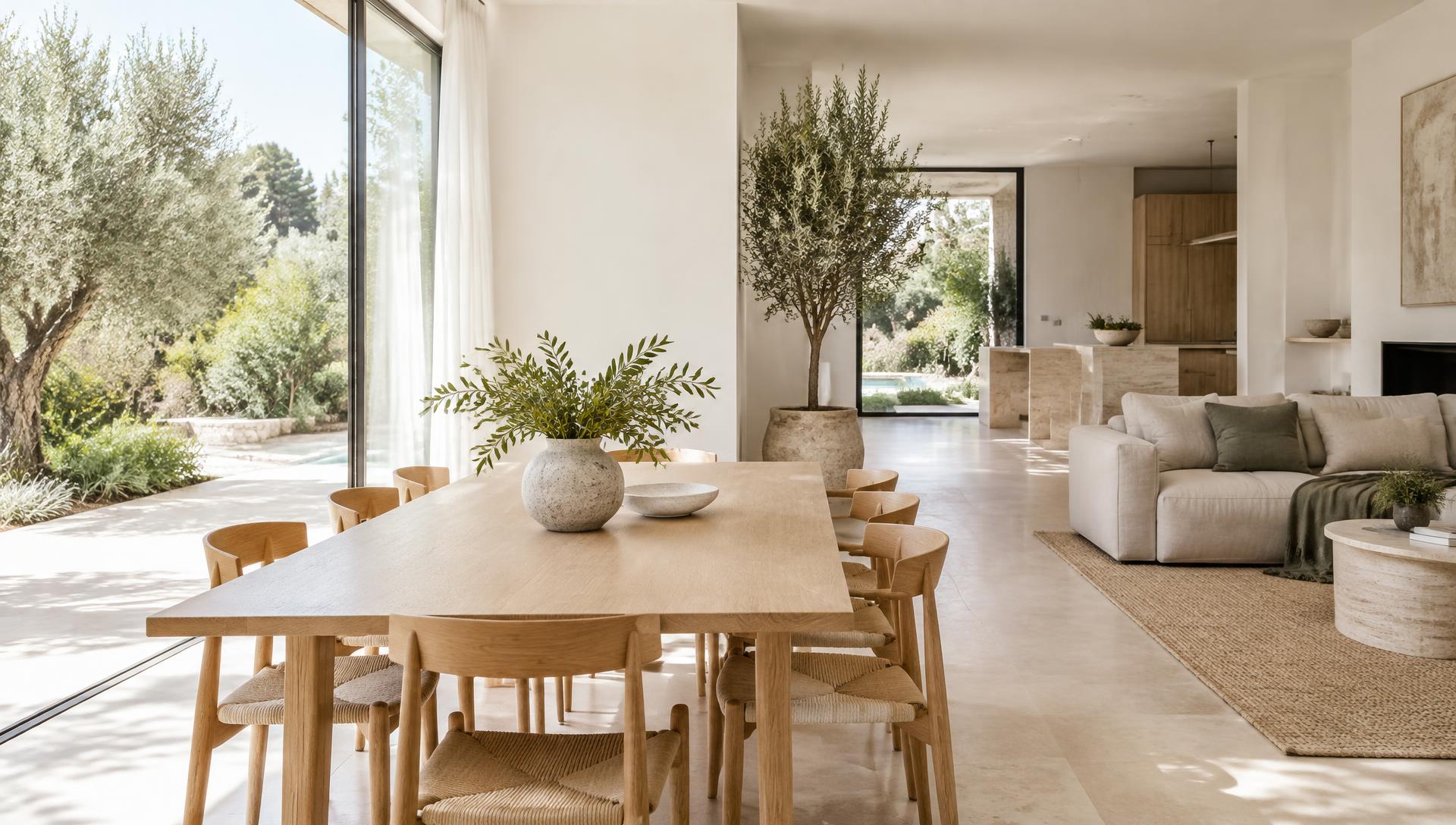
Learn what to look for in every room, understand common indoor environmental risks, and follow practical steps to create a healthier home.
6 of 10 sections complete

Perhaps the bathroom stays damp, a new finish smells strong, or bedroom lighting feels harsh in the evening. You may not know what to investigate or what to ask a trade.
The guidance helps you record these observations and organise follow-up. It does not diagnose their cause or promise a health outcome.
Review the indoor environmental factors across the rooms you use, including air quality, moisture and mould, lighting, materials and finishes, acoustics and sensory factors.
See which issues may be contributing to poor indoor conditions, what to check next, and what questions to ask before buying products, replacing materials or calling a trade.
Receive practical recommendations for your home, including what to change, what to consider replacing it with where relevant, and when to speak with a qualified trade or professional.
Some indoor sources carry genuine health risks. These facts explain why ventilation, moisture and product choices deserve attention, without predicting risk in your home.
Some pressed-wood products, glues and furnishings release formaldehyde, classified as a human carcinogen.
A known human carcinogen can be released from common pressed-wood products.
Formaldehyde is used in products such as particleboard, MDF, plywood, glues and some furnishings. The US National Cancer Institute states that formaldehyde is classified as a human carcinogen. New pressed-wood products can be an important indoor source.
National Cancer Institute: Formaldehyde and Cancer RiskUS EPA: Formaldehyde and indoor airPaints, adhesives, cleaning products and furnishings can release VOCs. Effects vary with the chemical and exposure.
Some VOCs can affect more than your nose and throat.
VOCs can come from paints, adhesives, cleaning products, air fresheners, furnishings and building materials. The US EPA lists possible effects including headaches, nausea, loss of coordination and damage to the liver, kidneys and central nervous system. Some organic chemicals are known or suspected human carcinogens.
The health effect depends on the chemical, concentration and duration of exposure.
US EPA: Volatile organic compounds and indoor airWHO links damp and mouldy buildings with respiratory symptoms, allergies and asthma. Persistent moisture needs investigation.
WHO reports up to a 75% greater risk of respiratory symptoms and asthma in damp or mouldy buildings.
The World Health Organization recommends preventing or fixing persistent dampness and mould because of the associated respiratory, allergy and asthma risks.
This is a population-level finding from WHO’s evidence review, not a prediction for one individual home.
WHO: Dampness and mould evidence summaryWHO: Indoor air quality guidelinesCarbon monoxide is colourless and odourless. Faulty or poorly vented fuel-burning appliances can create a serious risk.
Carbon monoxide has no colour or smell, and at high levels it can be fatal.
Possible indoor sources include faulty or poorly vented fuel-burning appliances, gas heaters, gas stoves, fireplaces and vehicle exhaust from attached garages. Exposure can cause headache, dizziness, confusion, nausea, unconsciousness and death.
US EPA: Carbon monoxide poisoningRisk depends on the source, concentration, exposure time, ventilation and individual. The Toolkit helps you recognise possible issues, not diagnose illness or measure exposure.
Answer twelve short questions for an educational overview and recommendations based on your answers.
Start the free Healthy Home CheckUse your observations to decide what needs a closer look, what to ask and what to change.
Record recurring dampness, leaks and extraction concerns so you can arrange the right follow-up.
Review materials, finishes and furnishings, check emissions and product information, and know what to ask before choosing replacements.
Check glare, evening light, sound and ventilation in the spaces you use most.
Separate immediate source checks from changes to plan later. Avoid replacing everything at once.
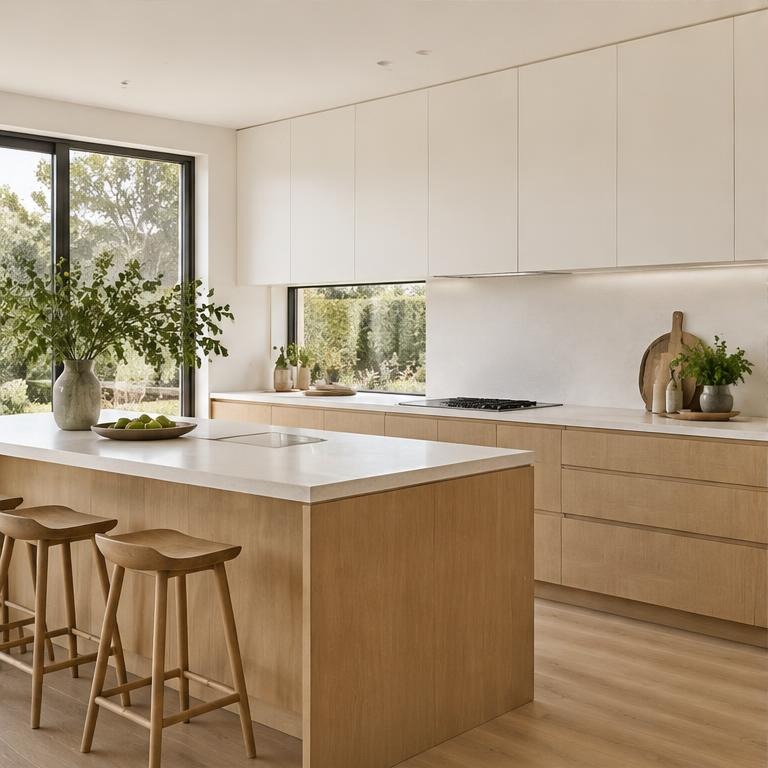
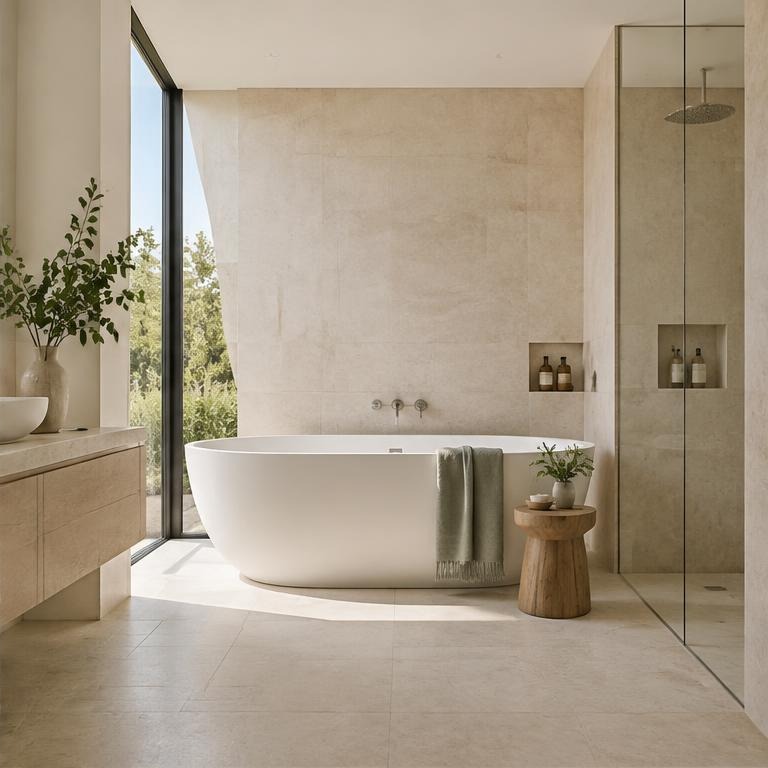
Move between lessons, room checks and saved notes. See completed sections and return to the remaining ones.
6 of 10 sections complete
BedroomKitchenBathroomProgress and notes save in this browser on this device.
Manage moisture at its source, not just on the mirror.
Check where the fan discharges and allow wet surfaces to dry. Arrange help for recurring leaks or damaged seals.
Start with your assessment, work through these real Toolkit sections, then bring your observations together.
Record your baseline practices and choose the rooms you use.
63 guided checksExplore air, moisture, materials, light, sound and nature.
6 guided checksReview fresh air, extraction and indoor pollutant sources.
6 guided checksFollow moisture sources, condensation and recurring dampness.
6 guided checks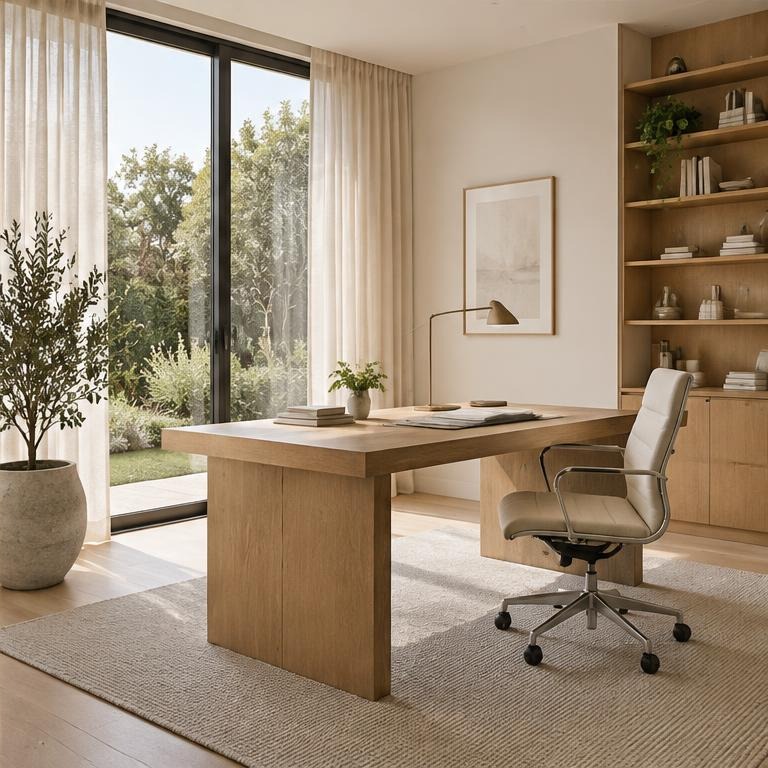
Compare product evidence and prepare supplier questions.
6 guided checksUnderstand glare, light quality and control through the day.
6 guided checksConsider adjustable surroundings and lower-stimulation options.
6 guided checksRead labels and review unnecessary scent in everyday products.
6 guided checksReview daylight, views and accessible connection to nature.
4 guided checksCheck leaks, filters, fans and early signs of deterioration.
4 guided checksApply room-specific guidance across ten room and area types.
10 room types · choose the spaces you useReview generated recommendations, add notes and track completed changes.
Your recommendations, notes and progressRoom coverage: Bedroom · Children’s room / nursery · Bathroom · Kitchen · Living room · Dining area · Home office / study · Laundry · Garage · Outdoor / pool area.
Also included: Print & download and Your completion summary. Progress and notes save in this browser on this device.
Your answers become section results, personalised recommendations and a practical checklist of changes to review in your home. Keep questions for trades and suppliers beside the changes you want to track.
Example answers only. Scores reflect reported practices, not measured exposure, an inspection or proof of safety.
Record the location and arrange qualified assessment of leaks, water staining or dampness. Resolve the source before repainting or enclosing affected materials.
Review products used most often and remove unnecessary fragrance sources by agreement. Verify ingredients rather than relying on fragrance-free or natural marketing.
Map how fresh air enters each occupied room and stale air leaves. Check vents and mechanical systems; ask a qualified ventilation professional about rooms with inadequate airflow.
Request material disclosure, technical data and relevant emissions tests for the exact product; compare installation and care instructions.
Identify a comfortable nature view or an accessible outdoor routine suited to mobility, weather and the available setting.
Ask the trade where the bathroom fan discharges.
A4 companion resources and four bonus guides are included. Here are three you can use for home checks, practical follow-up and supplier conversations.
Print with saved answers or use a blank companion.
11 A4 companions · Browser Print / Save as PDF
Keep your home checks and checklist of changes on paper. Choose saved answers or a blank resource in the print view.
A whole-home baseline you can take with you as you check your space.
A whole-home baseline you can take with you as you check your space.
Turn your observations into a practical sequence of changes.
Turn your observations into a practical sequence of changes.
Ask better questions before choosing finishes, furniture or suppliers.
Ask better questions before choosing finishes, furniture or suppliers.
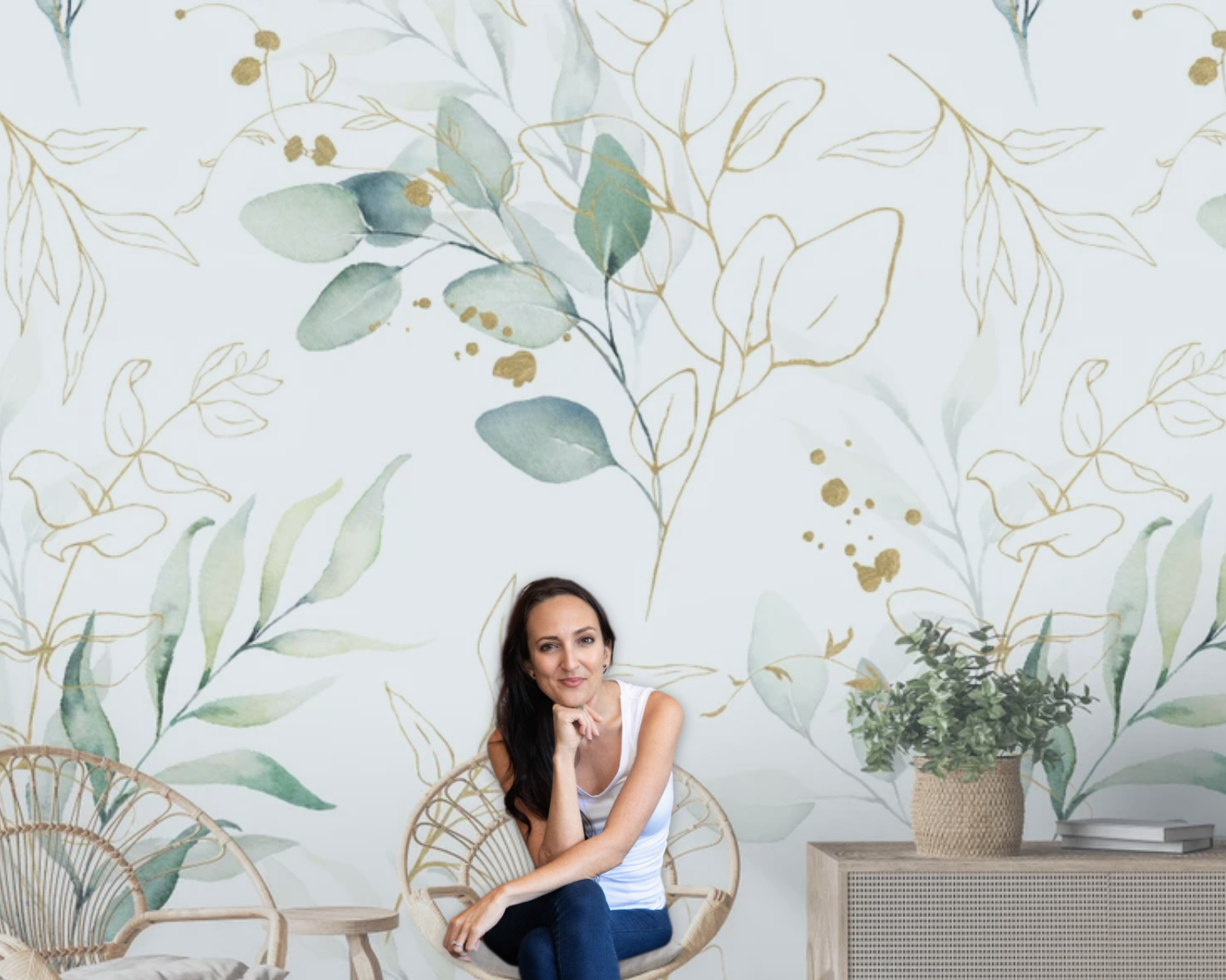
I created this Toolkit from more than 20 years in building and interior design, specialist study in Building Biology, Sustainable House Design, Biophilic Design and Neuro-Inclusive Design, and my own lived experience.
After renovating a home that affected my nervous system and living with a neurological condition, I know firsthand how strongly our environment can affect the way we feel and function.
I wanted to turn what I learned professionally and personally into practical guidance people can use in their own homes.
Read Maria’s storyReview your section results, keep your notes and continue working through your personal actions.
Complete all twelve required sections to unlock your Healthy Home Toolkit Certificate of Completion, ready to print or save as a PDF.
Educational completion only. Not HILA building certification, a home safety rating or a medical assessment.
Completion of the required educational Toolkit sections
Homeowners and renters who want to understand everyday indoor environmental factors and organise practical changes. It also has a Workplace option. Obtain permission before changing a rented building or its systems.
The starting assessment, nine educational modules, selected room reviews, section results, personalised recommendations, A4 companion resources and four bonus guides and an educational completion certificate.
It is self-paced. Work through one room or topic at a time and return when it suits you.
Answers, notes and completed actions save in this browser on this device. They do not sync across devices. Clearing browser data or resetting progress removes them.
Use the email address from checkout to request a secure access link. An active purchase is required to open the Toolkit.
Yes. Companion resources have browser print views with saved answers or blank checklists. The certificate unlocks after all twelve required sections are complete and can be printed or saved as a PDF.
Maria’s existing DIY healthy-home and low-tox product recipes PDF is planned as an additional bonus. It is not currently included in the downloadable resources.
No. The certificate records educational Toolkit completion only. It does not certify your home or building as HILA Certified, healthy, safe, compliant or medically suitable.
No. It provides educational building and interior design guidance. Scores reflect your answers, not measured exposure, an inspection or proof of safety. Seek qualified medical or building advice when needed.
Australian Consumer Law rights are preserved. Read the purchase terms and consumer-rights information before buying.
The Healthy Home Toolkit provides educational building and interior design information only. It does not provide medical diagnosis, treatment or personalised medical advice, and it does not guarantee any health outcome. If you have symptoms, health concerns or questions about your individual circumstances, seek advice from a qualified health professional. Where building safety, mould, electrical, gas, structural or other specialist issues are identified, seek advice from an appropriately qualified professional.
Your room reviews, recorded results and changes to review, ready to return to as your home evolves.